Nature in Your Backyard: Simple Ways to Support Local Raptors and Wildlife
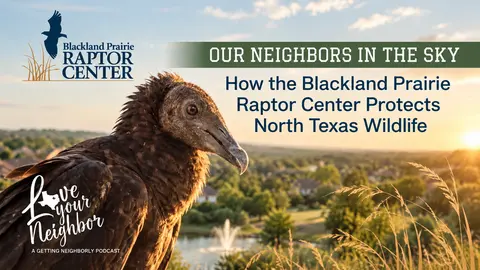
Welcome back, nature lovers and podcast listeners! If you have ever looked out your kitchen window and wondered about the hawks gliding over your neighborhood or the mysterious hoots echoing through the trees at dusk, you are definitely not alone. Many of us feel a deep, innate pull toward the natural world, even as our cities and suburbs continue to expand. But have you ever stopped to consider how our everyday lives intersect with the local wildlife sharing our zip codes?
Recently on the podcast, we sat down for an incredible conversation that completely shifted our perspective on urban and suburban ecology, revealing just how vibrant, fragile, and resilient our local ecosystems truly are. In this blog post, we will expand on those themes, diving deep into the world of local raptors, the endangered landscape they call home, and the practical steps you can take today to support wildlife right in your own backyard.
Be sure to check out the related podcast episode, Laura Johnson, Blackland Prairie Raptor Center, to hear the full, inspiring audio interview that sparked this entire discussion.
Meet Laura Johnson and the Blackland Prairie Raptor Center
To truly understand the state of wildlife conservation in North Texas, you have to look at the dedicated individuals who have made it their life's work to protect our feathered neighbors. During our conversation, we had the absolute privilege of speaking with Laura Johnson, the Executive Director of the Blackland Prairie Raptor Center located in Lucas, Texas. Laura possesses a truly unique and powerful professional background, blending a rigorous academic foundation in animal behavior science with sharp business acumen and a lifelong passion for conservation. This dynamic combination of skills is exactly what has allowed her to guide the Raptor Center through incredible growth, ensuring that injured and displaced birds of prey receive top-tier medical care while the organization simultaneously manages the fiscal realities of running a large-scale wildlife sanctuary.
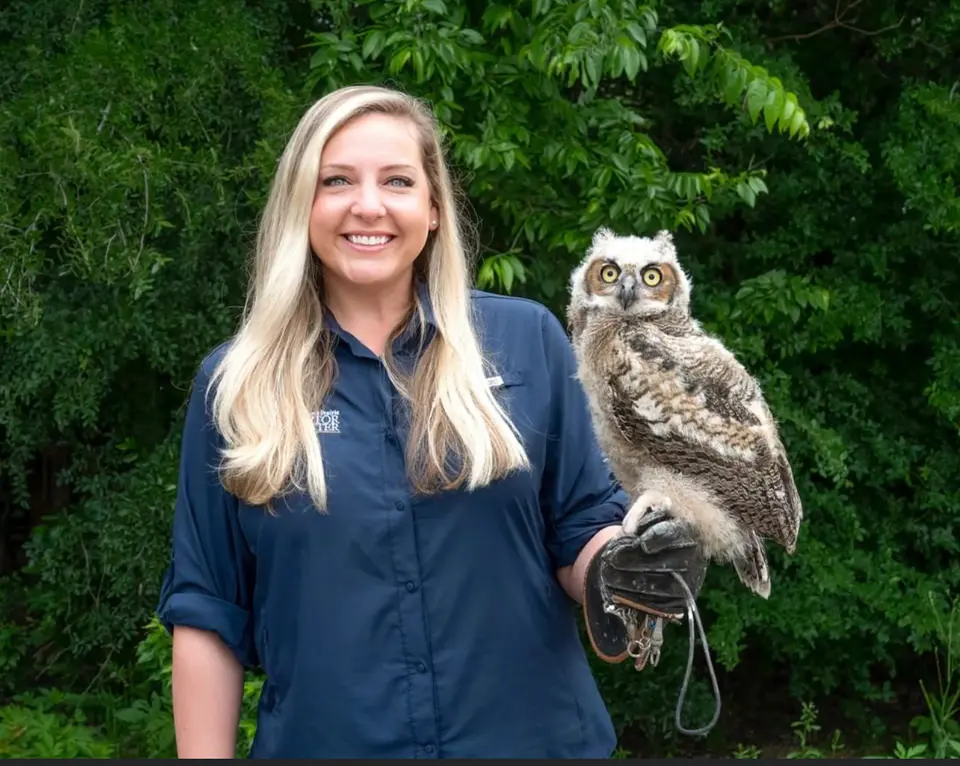
Under Laura’s visionary leadership, the Blackland Prairie Raptor Center has grown into a beacon of hope for local wildlife and a vital educational resource for the entire community. When you listen to her speak, her deep empathy for animals is immediately apparent, but so is her pragmatic approach to environmental stewardship. She understands that saving wildlife requires more than just good intentions; it demands community engagement, sustainable funding, scientific literacy, and a willingness to get your hands dirty.
Meeting leaders like Laura reminds us that real conservation is happening right in our own backyards, driven by passionate people who refuse to stand by while our natural heritage slips away. Her journey from studying animal behavior to running a premier raptor rehabilitation facility is nothing short of inspiring, setting a high standard for what community-driven conservation can achieve.
The Endangered Beauty of the Blackland Prairie Ecosystem
You cannot talk about the birds of prey in North Texas without talking about the extraordinary landscape they inhabit: the Blackland Prairie. Historically, this sweeping, fertile grassland covered millions of acres, stretching from the Red River down toward San Antonio. Characterized by its rich, dark, clay-rich soil and a diverse array of native grasses and wildflowers, the Blackland Prairie was once a thriving, dynamic ecosystem teeming with bison, pronghorn, wolves, and countless species of grassland birds and raptors. It was a sea of green and gold that supported an immense web of life, adapted specifically to the rhythm of prairie fires, seasonal droughts, and massive grazing herds.
Tragically, today the Blackland Prairie is considered one of the most endangered ecosystems in North America. Due to intensive agricultural conversion, rapid urbanization, and unchecked suburban sprawl, more than 99% of the original prairie has been destroyed or severely fragmented. When you drive down highways lined with sprawling strip malls, master-planned housing developments, and concrete distribution centers, you are driving directly over what was once a wildly diverse prairie biome. This massive loss of habitat poses a catastrophic threat to native wildlife.
Animals that have evolved over millennia to hunt, nest, and migrate across vast expanses of open grassland suddenly find themselves hemmed in by fences, roads, and neighborhoods. Understanding the plight of the Blackland Prairie is crucial because it reframes our relationship with our environment; we are not just building homes for ourselves, we are actively displacing creatures that have an ancient claim to this land.
Protecting what remains of the prairie, and restoring native plant life wherever we can, is our moral obligation to the original inhabitants of this region.

Why Raptors Are Essential to Our Communities
When people think of apex predators, they often conjure images of wolves prowling through remote wilderness or lions dominating the African savanna. However, right above our heads, a different kind of apex predator is quietly going about its daily business. Raptors—birds of prey that include hawks, owls, falcons, and eagles—are absolute powerhouses of the avian world.
Equipped with razor-sharp talons, hooked beaks, and eyesight that puts human vision to shame, these magnificent creatures command our respect and admiration. But beyond their striking beauty and fierce demeanor, raptors play an indispensable role in maintaining the health and balance of our local ecosystems.
As top-tier carnivores, raptors serve as nature's ultimate pest-control agents. A single family of barn owls or a pair of red-tailed hawks can consume hundreds of rodents every single year. By preying on mice, rats, voles, and rabbits, raptors help keep population numbers in check naturally, reducing the need for toxic rodenticides that often move up the food chain and poison other wildlife, such as bobcats, coyotes, and domestic pets.
Furthermore, raptors serve as powerful bioindicators. Because they sit at the very top of the food web, any environmental toxins, habitat degradation, or disease outbreaks in an area will quickly manifest in the local raptor populations. When raptors thrive, it is a glowing testament to a healthy, functioning environment. When they struggle, it is an urgent warning sign that our local ecosystem is in distress. Recognizing the immense ecological value of raptors helps us see them not just as passing sights in the sky, but as vital members of our local community that deserve our protection and respect.
Behind the Scenes of Raptor Rehabilitation and Care
Running a wildlife rehabilitation center is a monumental task that requires endless patience, specialized knowledge, and significant financial resources. At the Blackland Prairie Raptor Center, the phone is constantly ringing with calls from concerned citizens who have found an injured hawk on the side of the highway, a fallen owlet beneath an oak tree, or a majestic great horned owl tangled in barbed wire. Each intake brings a new set of challenges, ranging from broken wings and head trauma to severe malnutrition, pesticide poisoning, and car strikes. The rehabilitation process is delicate, time-consuming, and entirely reliant on expert veterinary care and dedicated handlers.
One of the most eye-opening aspects of our conversation with Laura Johnson was learning about the sheer financial costs associated with raptor rehabilitation. Unlike domestic pets, wild birds cannot simply be treated with standard veterinary protocols. They require specialized diets consisting of whole mice, rats, and quail, which can cost small fortunes to source in large quantities. Specialized surgical procedures, physical therapy, flight cages, and medications all add up quickly. Moreover, the goal of rehabilitation is not just to keep the animal alive, but to ensure it can successfully survive upon release back into the wild.
This means minimizing human contact so the birds do not become imprinted, and providing massive flight enclosures where they can rebuild their stamina, practice hunting, and regain the muscle tone needed to hunt and evade predators. Behind every successful release is an army of compassionate professionals and volunteers who pour their hearts, souls, and financial support into giving these magnificent creatures a second chance at life.
Practical Ways to Support Local Wildlife at Home
You do not need to run a professional wildlife sanctuary or own hundreds of acres of land to make a meaningful difference for local raptors and other wildlife. In fact, some of the most impactful conservation work starts right in your own backyard. As suburban development continues to fragment natural habitats, private residential yards have become critical stepping stones for wildlife navigating the urban landscape. By making a few intentional changes to how we manage our outdoor spaces, we can transform our yards into havens for biodiversity.
First and foremost, consider planting a pocket prairie or incorporating native plants into your landscaping. Traditional manicured green lawns offer very little ecological value to native wildlife; they are essentially green deserts devoid of food and shelter. By replacing portions of your lawn with native grasses, perennial wildflowers, and shrubs, you create an inviting habitat for the insects and small mammals that raptors rely on for food. Native plants require less water, less fertilizer, and no pesticides, creating a safer, chemical-free environment for every creature in the food web.
Additionally, you can support local cavity-nesting raptors, such as screech owls and kestrels, by installing appropriately sized nest boxes on your property. Providing safe nesting sites helps offset the loss of natural tree cavities caused by urban development. Finally, be mindful of outdoor lighting, keep domestic cats indoors where they cannot decimate local bird populations, and ditch the chemical rodenticides in favor of humane, non-toxic pest control methods. Every small action you take ripples outward, creating a safer, more welcoming environment for the wild neighbors sharing our community.
Getting Involved: Volunteering and Community Education
Conservation is ultimately a community effort. While changing your backyard landscaping is a fantastic starting point, the true magic happens when people come together to support a shared mission. Organizations like the Blackland Prairie Raptor Center rely heavily on the passion, dedication, and sweat equity of volunteers to keep their operations running smoothly. Whether you are assisting with daily feedings and facility maintenance, helping educate the public at community outreach events, or supporting fundraising campaigns, there is a role for every skill set and interest level. Volunteering not only lightens the load for the dedicated staff, but it also provides an incredible, hands-on opportunity to learn about animal behavior and ecology up close.
Equally important is the role of community education, particularly for the next generation. Connecting children to nature at an early age is the single best investment we can make in the future of our planet. When kids have the chance to witness a majestic red-tailed hawk up close, learn about its hunting habits, and understand its role in the ecosystem, something profound shifts inside them. Fear is replaced by fascination, and indifference is replaced by a fierce desire to protect.
Educational programs that bring live raptors into classrooms, libraries, and community centers spark a lifelong curiosity about the natural world. By fostering a deep sense of wonder and stewardship in young minds, we are ensuring that the fight for wildlife conservation will continue long into the future. If you are looking for a way to give back to your community and connect with nature on a deeper level, reaching out to your local wildlife center to see how you can get involved is a phenomenal place to start.
Conclusion: Protecting Our Backyard Ecosystem Together
As we wrap up this exploration into the wild side of North Texas, it is clear that our relationship with nature is deeply intertwined with our daily choices. From the endangered beauty of the Blackland Prairie to the silent, soaring grace of our local raptors, the wildlife sharing our neighborhoods reminds us that we are part of a larger, complex ecological web. Protecting these animals is not just about saving birds; it is about preserving the health, resilience, and beauty of the places we call home. We all have a part to play, whether it is transforming our yards into native wildlife sanctuaries, supporting local conservation centers, or simply taking the time to educate ourselves and our children about the incredible creatures living right in our own backyards.
To dive even deeper into this topic and hear firsthand insights from the front lines of conservation, be sure to listen to the complete interview with Laura Johnson of Blackland Prairie Raptor Center. Let's continue to be good neighbors to all of creation, working together to ensure that the skies of North Texas remain wild, free, and full of life for generations to come.
Podcast Host
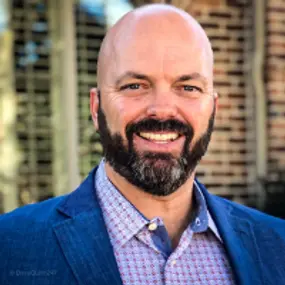
"Super" Dave Quinn, CEcD, as he is known around the country, is a seasoned Certified Economic Development Professional, delivering a range of consulting, training, and coaching services for Economic Development Agencies and their executives.
He is a professional speaker, podcast host, and economic development coach, inspiring others to take ownership of their lives and positively impact the world by sharing their God-given talents and abilities. He travels the country encouraging audiences to pursue their purpose and live their personal best. He coaches
Dave is the founder of Day One Experts, a collection of the country's best-known Public-Private interaction specialists. Day One Experts offers fractional and interim economic and community development services for communities around the country. Dave is currently serving as Interim Economic Manager for the Town of Fairview.
Dave also founded the Texas Economic Development Connection in 2020 to help reduce the cost and stress business owners face when relocating or expanding into Texas. By connecting business owners with professional economic developers from across the state, the TexasEDConnecton gives business owners access to the resources needed to help minimize the impact on their bottom line when expanding or relocating their business.
Before leaping into entrepreneurship, Dave served as Vice President of Frisco Economic Development Corp. in Frisco, TX. He helped lead a team of highly skilled economic developers in one of the nation's fastest-growing cities. D… Read More

When Neighbors Show Up: Bridge Breast Network Brings Its 2026 Gala Kickoff to Fairview